The trompe-l’œil
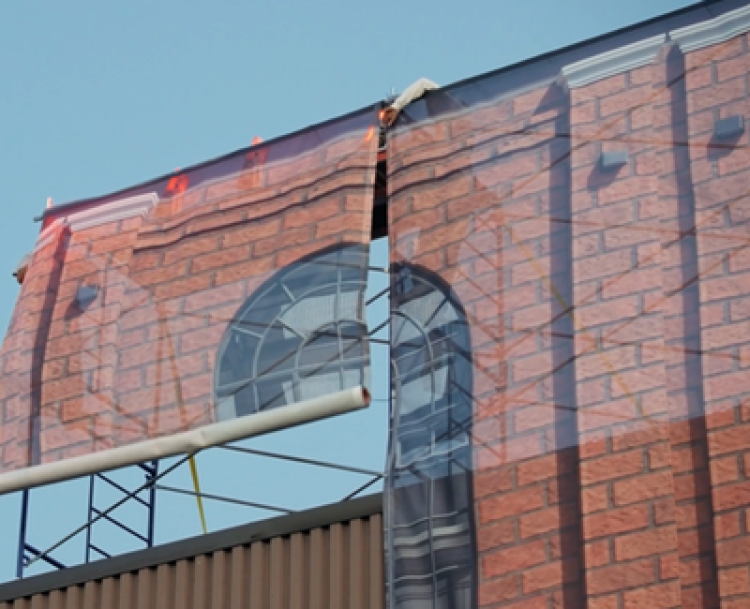
On the façade of DKI Refexio, a canvas reproduces the former building of the LaSalle Coke Company, which once stood on this very spot. Past and present overlap
An industrial relic is reborn, lighting up the banks of the Lachine Canal.
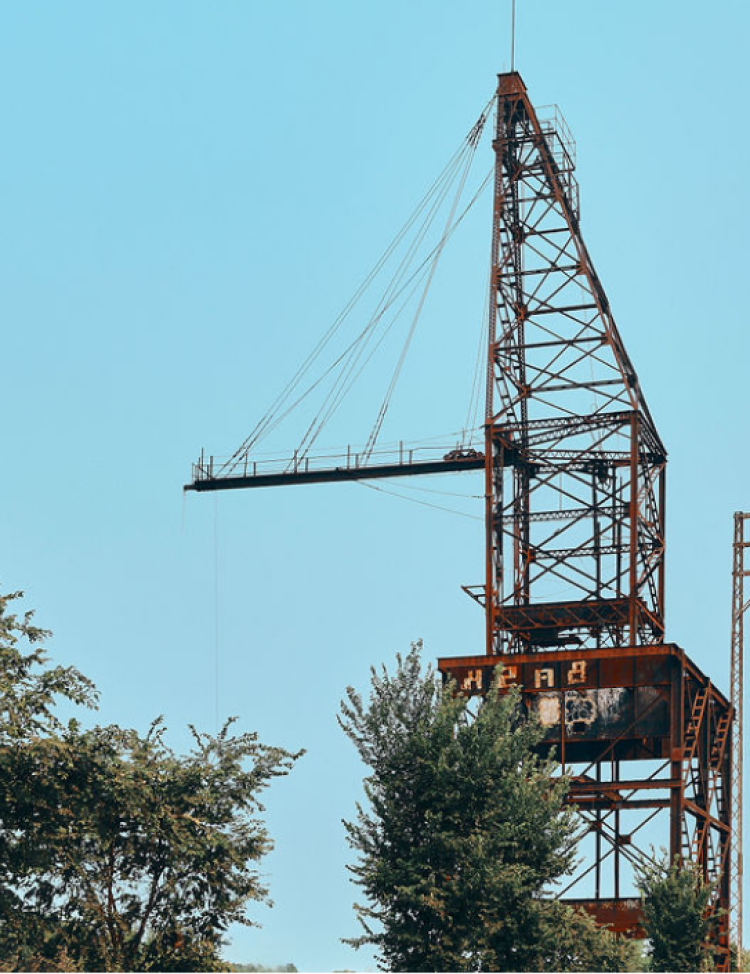
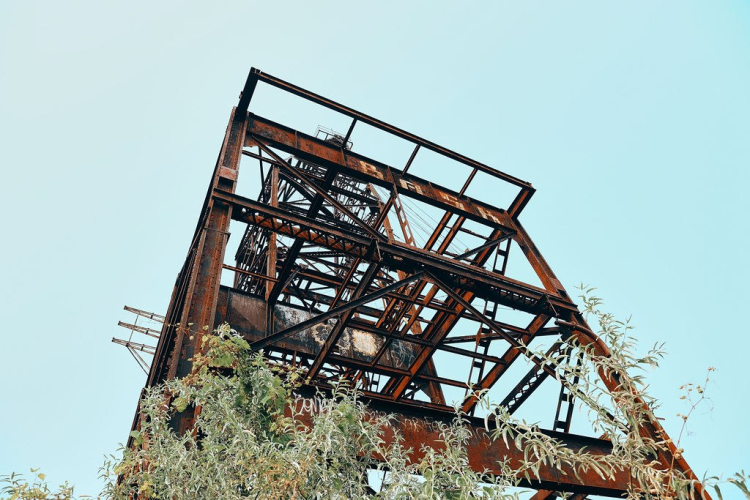
To mark the 200th anniversary of the Lachine Canal, PME MTL Grand Sud-Ouest and Parks Canada launched a call for projects in the spring of 2025 to showcase the LaSalle-Coke Crane, one of the last fixed coal-unloading cranes still standing in North America.
Among the proposals received, the one submitted by DKI Refexio was selected. A LaSalle-based company and neighbour of the crane for more than 30 years, DKI Refexio went beyond a purely aesthetic approach: the project pays tribute to the crane’s history, draws on deep local roots, and reflects a genuine commitment to sustainability.
The concept takes walkers, cyclists and boaters back to the industrial era of the 1930s, when a coal freighter would come to a stop in front of the plant to deliver its load. The installation is made up of four elements.
On the façade of DKI Refexio, a canvas reproduces the former building of the LaSalle Coke Company, which once stood on this very spot. Past and present overlap
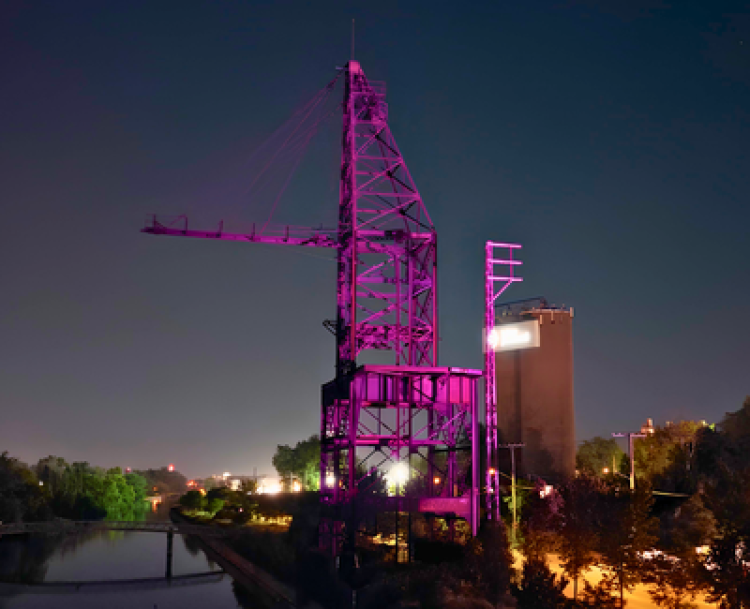
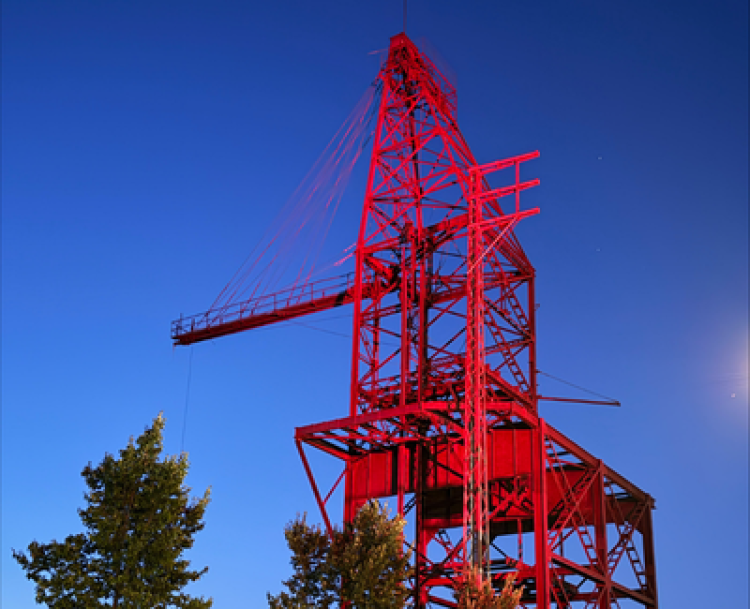
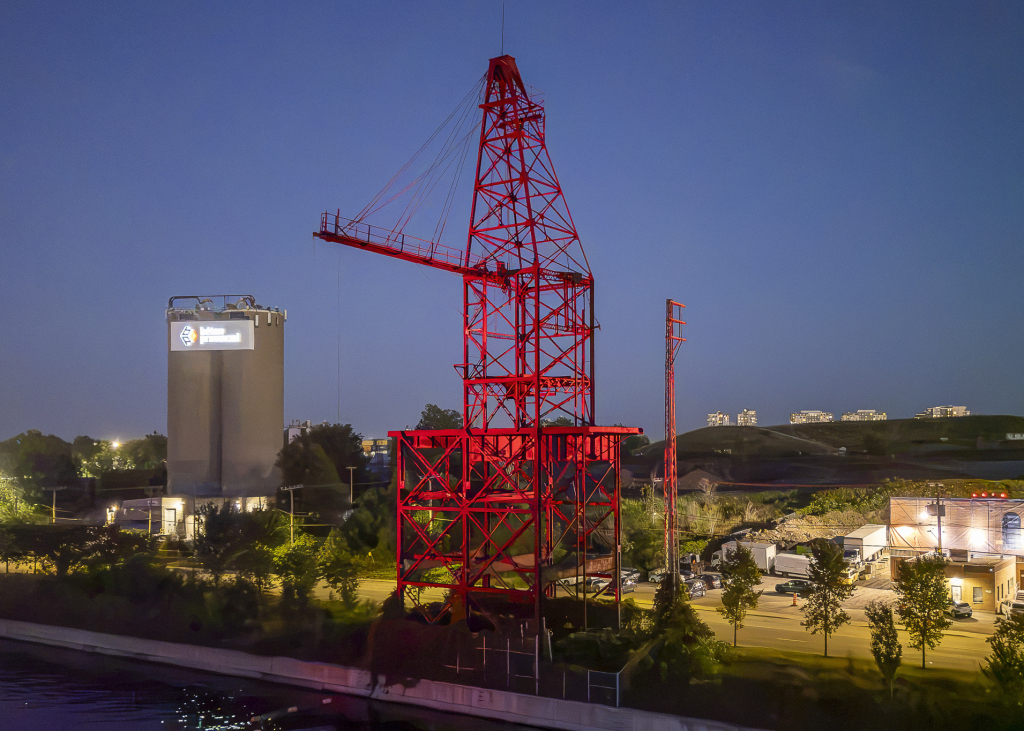
Long inconspicuous, the crane is now visible from afar, even from Highway 20. Solar-powered and wildlife-friendly, the lighting changes colour to mark key moments throughout the year.
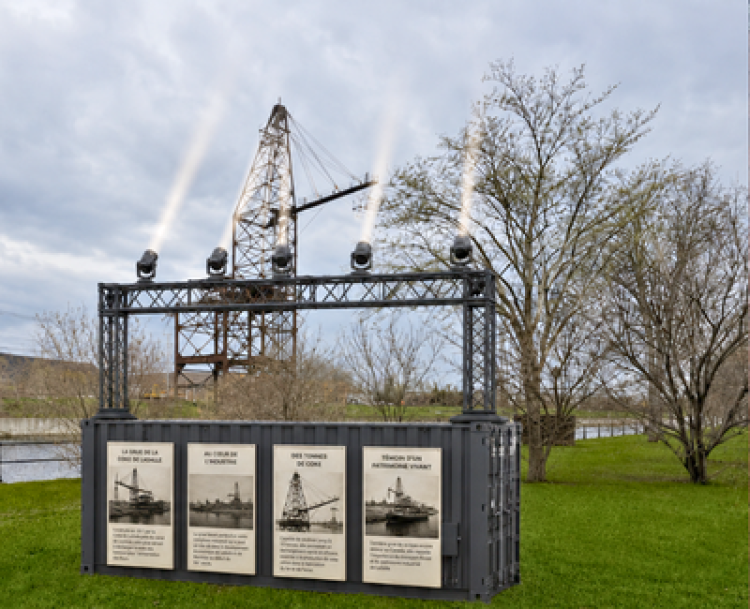
Set up near the path on the north side of the canal, it invites people to stop, admire the crane and discover its history.
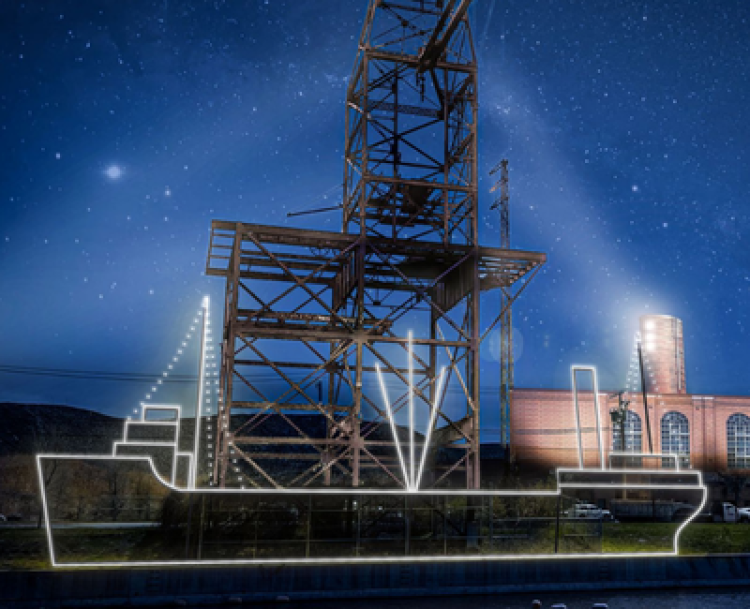
At the foot of the crane, a metal structure roughly 120 feet long will evoke the coal freighters that supplied the plant, such as the ship operated by Keystone Transports Limited. The maritime artwork is being built by the Caetanos themselves, founders of DKI Refexio, and it’s no coincidence. Metalwork has run in this family for generations, long before they came to Canada. By carrying out this project with local craftspeople, they also want to honour the generations of immigrants whose labour supported Montreal’s industrial growth. The artwork will complete the installation and offer a second highlight.
The project to showcase the crane grew out of a vision for local economic development. For several years, PME MTL Grand Sud-Ouest and a number of partners have supported the vision of the Canal de Lachine 4.0, a project to revitalize the industrial corridor linking the boroughs of Lachine, LaSalle, Sud-Ouest and Verdun. Recognized as a metropolitan innovation zone (ZIM) in Montreal’s 2050 Urban Planning and Mobility Plan, this area aims to attract innovative companies, renew the built environment and offer a pleasant, sustainable living environment accessible by active transportation.
It is within this framework that PME MTL Grand Sud-Ouest and Parks Canada launched a call for projects to showcase the area’s heritage. Bringing a relic like the crane back to life gives the area a landmark that draws visitors, enlivens the banks of the canal and strengthens a sense of belonging — all ways of energizing the area by building on its history.
The organization behind the call for projects, PME MTL Grand Sud-Ouest supports the Canal de Lachine 4.0 vision and initiatives that bring together industrial heritage, innovation and local vitality.
“We firmly believe that industrial heritage is a driver of economic development. When a relic like the crane is revitalized, it becomes an anchor point that attracts people, brings them together and creates pride — that is what energizes an area like the Canal de Lachine 4.0. To carry out projects like this, we need companies such as DKI Refexio that are ready to commit and get involved in transforming the area.”
– Marie-Claude Dauray, General Manager, PME MTL Grand Sud-Ouest
The crane stands on the Lachine Canal National Historic Site, administered by Parks Canada. As steward of the site, Parks Canada stabilized the structure in 2017 and is co-leading the call for projects.
“Showcasing the LaSalle-Coke Crane is a great source of pride for Parks Canada. Through this project, we are giving new visibility to a striking witness to the industrial history of the Lachine Canal. As part of the celebrations marking the 200th anniversary of the waterway, it is also a concrete way to honour those who shaped Montreal, while inviting the public to rediscover this emblematic heritage at the heart of a national historic site.”
– Mélanie Lottinville, Acting Director, Quebec Waterways, Parks Canada
A LaSalle family business specializing in post-disaster restoration, established since 1996 at the foot of the crane, on the very foundations of the former plant. Refexio designed and carried out the concept. True to its trade, the company saw this call for projects as a great opportunity to do what it does best: restore and bring back to life.
“The crane has been our neighbour for almost 30 years — we look at it every day through our windows. Our job is to bring back to life what has been damaged, so reviving this relic felt natural to us. We did it as a family, with contractors from the neighbourhood, and today we are offering it to the community so that everyone can enjoy it and discover its history.”
– Mario Caetano, President, DKI Refexio
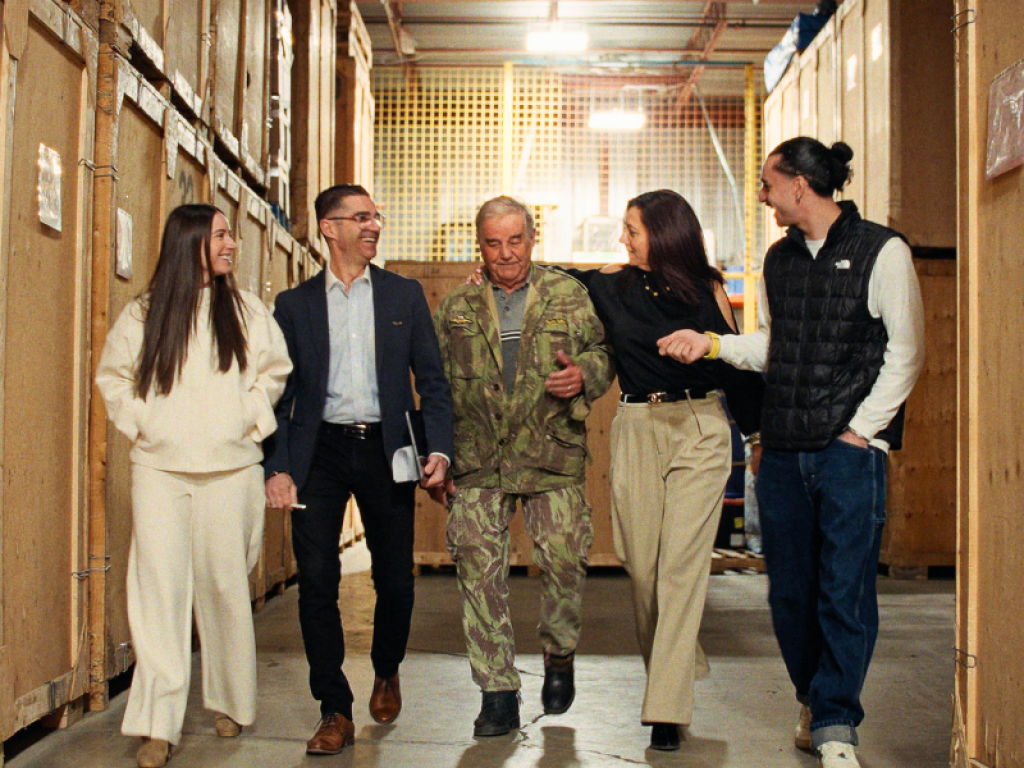
Caetano Family
At the turn of the 20th century, the Lachine Canal was one of the country’s great industrial engines. Coal arrived by ship, was unloaded by the crane and then fed the facilities of the LaSalle Coke Company, operated by the Montreal Light, Heat and Power Company, where it was converted into coke for the metal industry.
For decades, this steel giant sustained an entire area: hundreds of workers, neighbourhoods and businesses. Now a landmark in the landscape, the crane stands as a silent witness to this working-class memory.
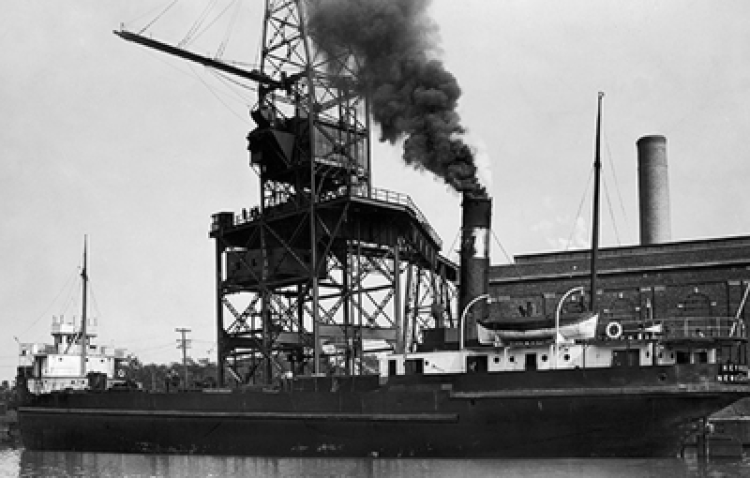
Coal unloading tower, 1917. © Hydro Québec Archives, F09 3423, Montreal Light, Heat and Power.
Intensive industrial development along the Lachine Canal, which became a major corridor for transporting raw materials, including coal.
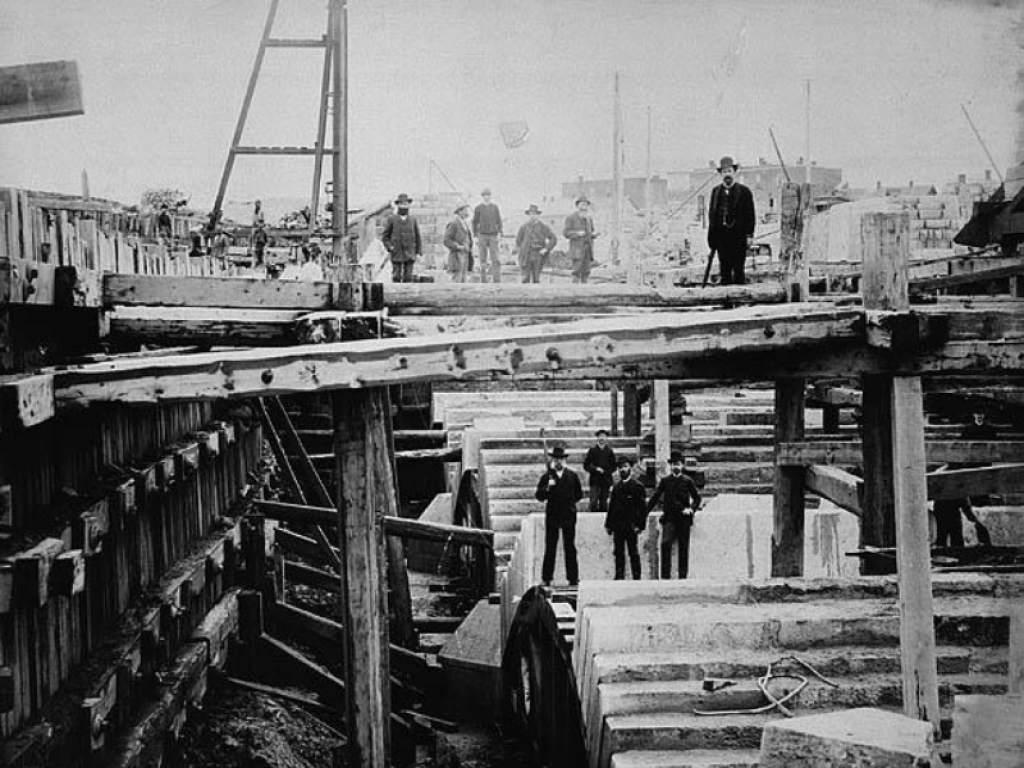
Around 1877, Construction of basin no. 4 – Lachine canal, by Samuel McLaughlin. Library and Archives Canada, PA-147588
1910–1916: The rise of coal and coke
Extensive facilities were built by the Montreal Light, Heat and Power Company to convert coal into coke, a fuel essential to industry, particularly for steel production. The unloading crane was erected to supply the plant.
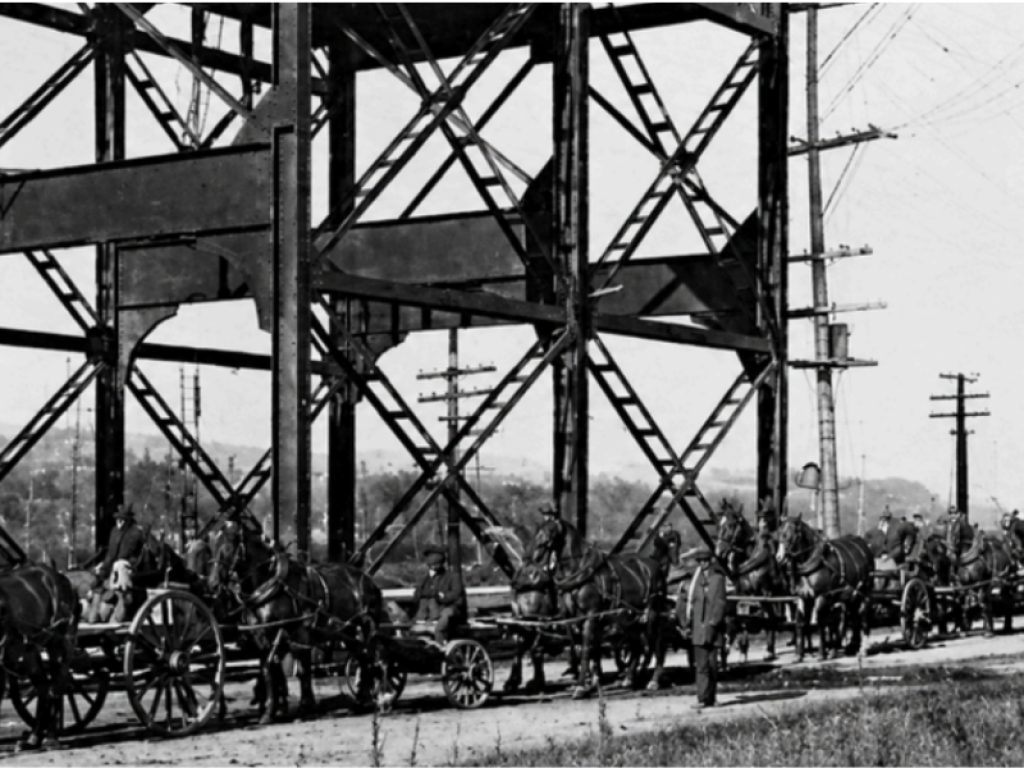
Coal unloading tower, circa 1916. A team of 16 horses pulls a steam turbine toward the LaSalle steamplant. Photograph published in Our Magazine, February 1917, p.15. The quality of the photo has been enhanced using artificial intelligence.
A period of sustained industrial activity. Coal arrived by ship via the canal and was handled on site. Hundreds of workers kept this vital industrial supply chain running.
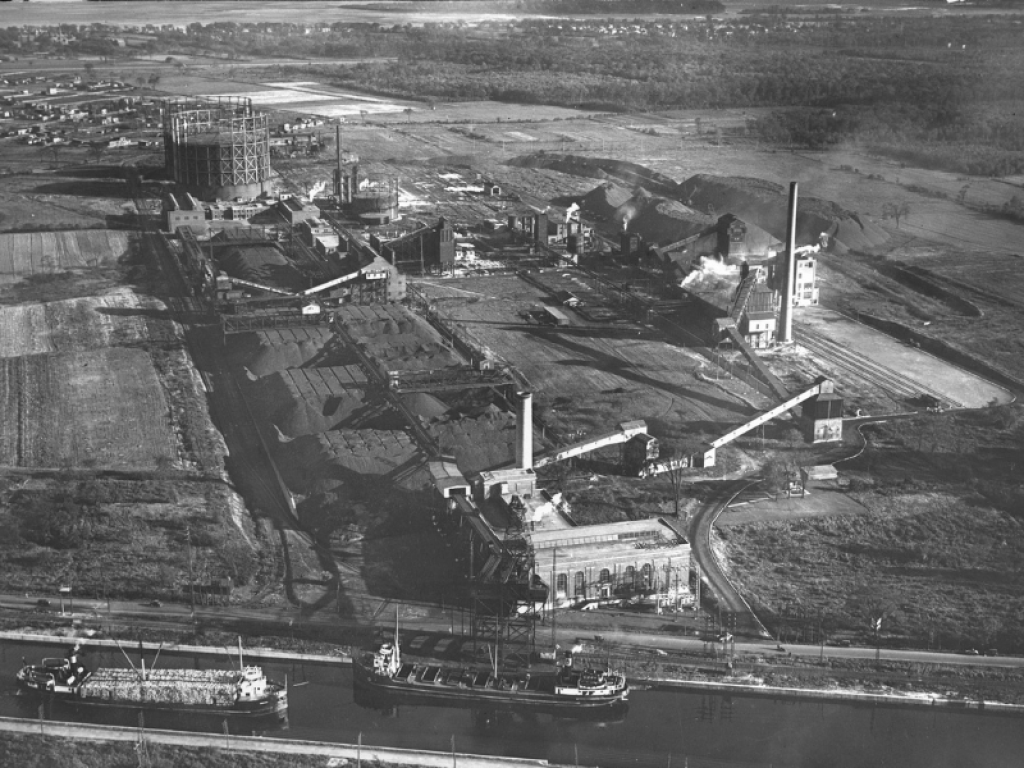
Aerial view of the Montreal Coke Manufacturing plant, October 1930. Photo: Associated Screen News. Hydro-Québec Archives, F9/700763/02022-3C-8. BAnQ, Pharon Collection, 1376.
Gradual decline of heavy industry and progressive closure of the facilities. The site was partly dismantled. In 1970, the canal closed to commercial navigation: the end of an era.
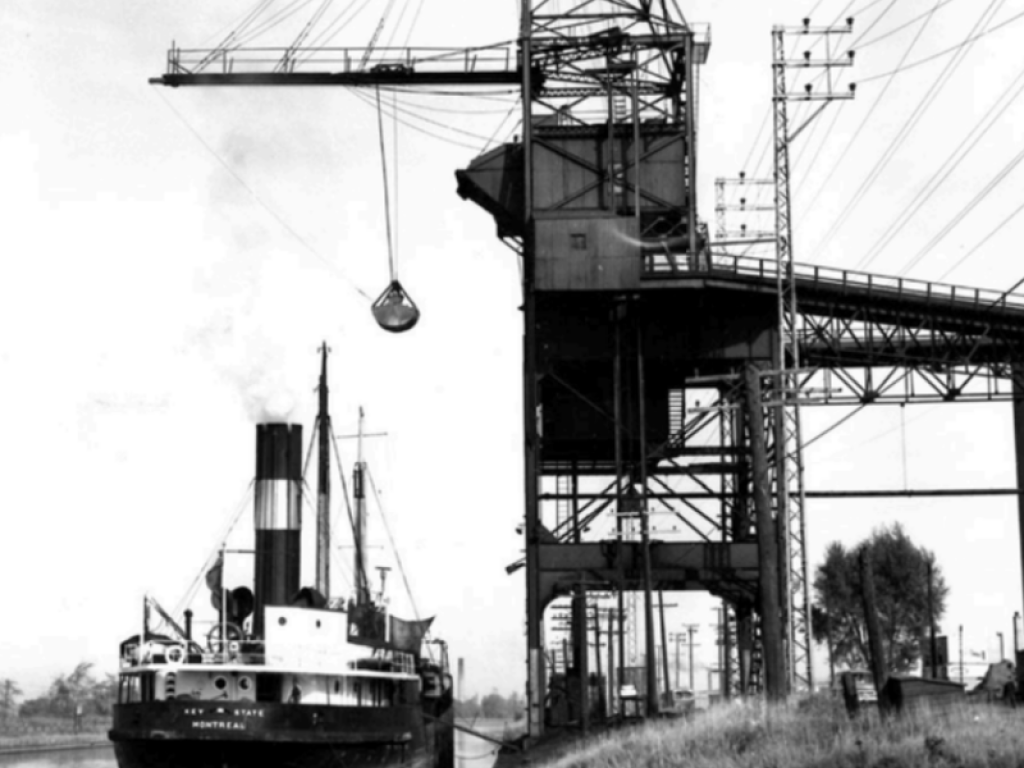
Keystate discharging coal at the Montreal Light, Heat and Power Co. dock. October 22, 1959. Photo by John H. Bascom.
Gradual redevelopment of the area. The canal was turned into a recreation and tourism destination, including a path. In 2002, the canal reopened to recreational navigation, strengthening the area’s appeal to the public.
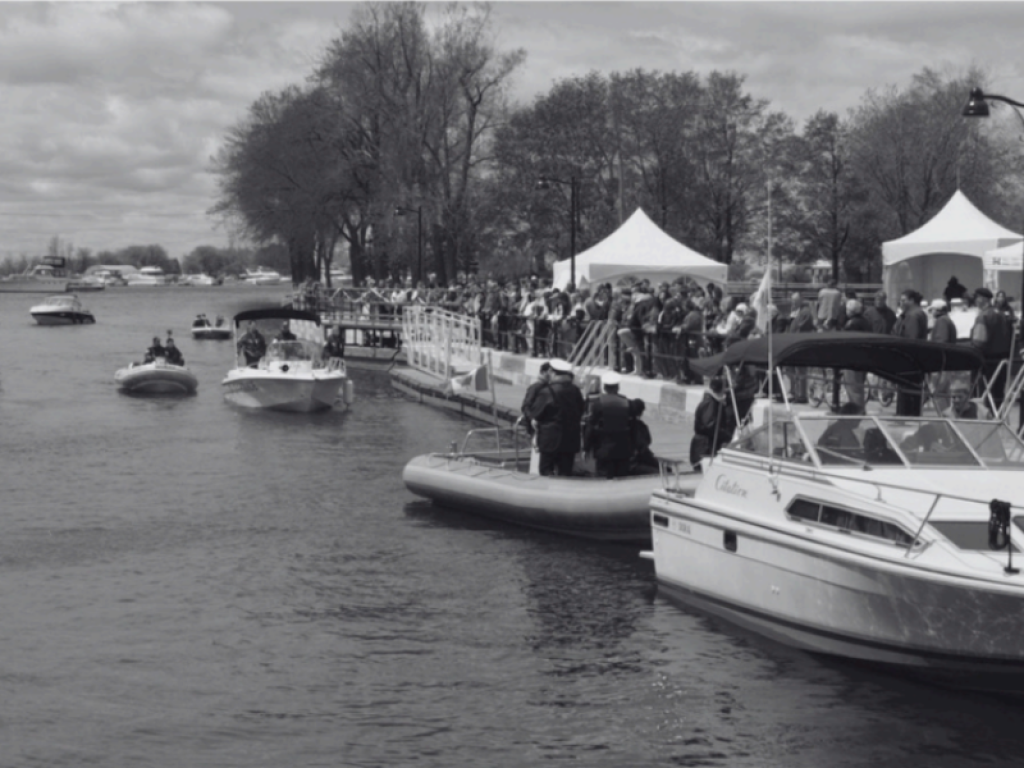
© Parks Canada
In recent years, this iconic economic hub has experienced a significant revival with the establishment of numerous innovative companies specializing in light manufacturing and emerging industries. The crane remains a striking industrial relic and has become a visual landmark and a symbol of identity in the LaSalle landscape. In 2017, restoration work was carried out by Parks Canada to extend the lifespan of this unique structure.
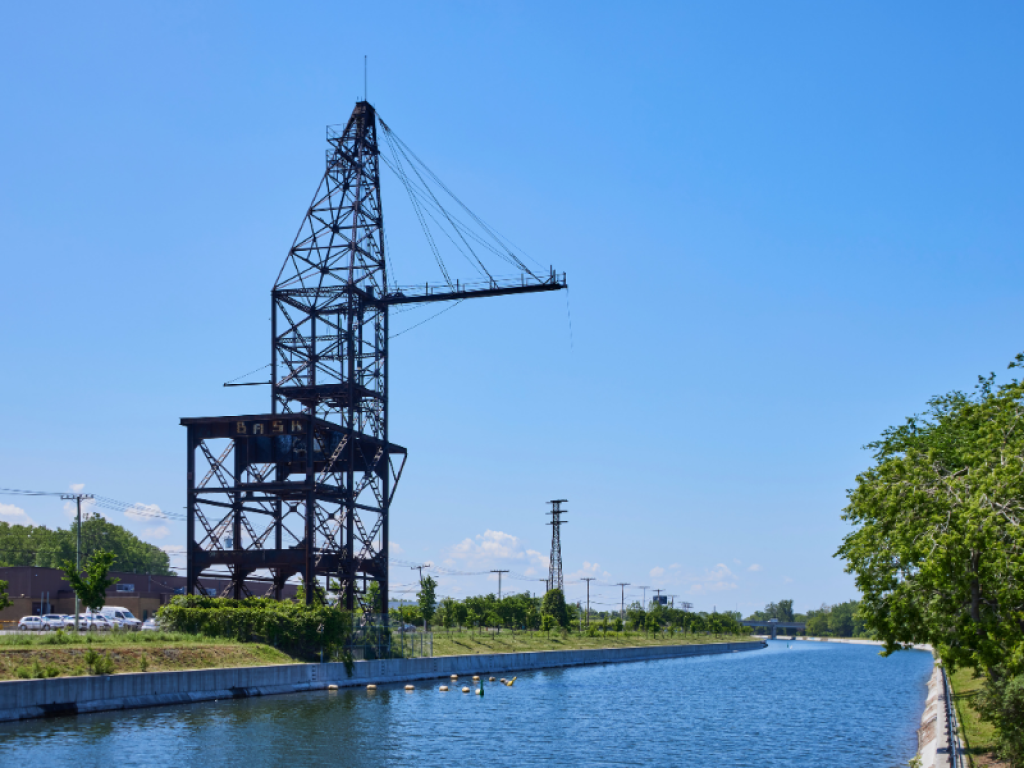
As part of the celebrations marking the 200th anniversary of the opening of the Lachine Canal in 2025, a commemorative enhancement and illumination project was created in collaboration with PME MTL Grand Sud-Ouest and Parks Canada. Unveiled in September 2026, the installation will remain in place for five years.
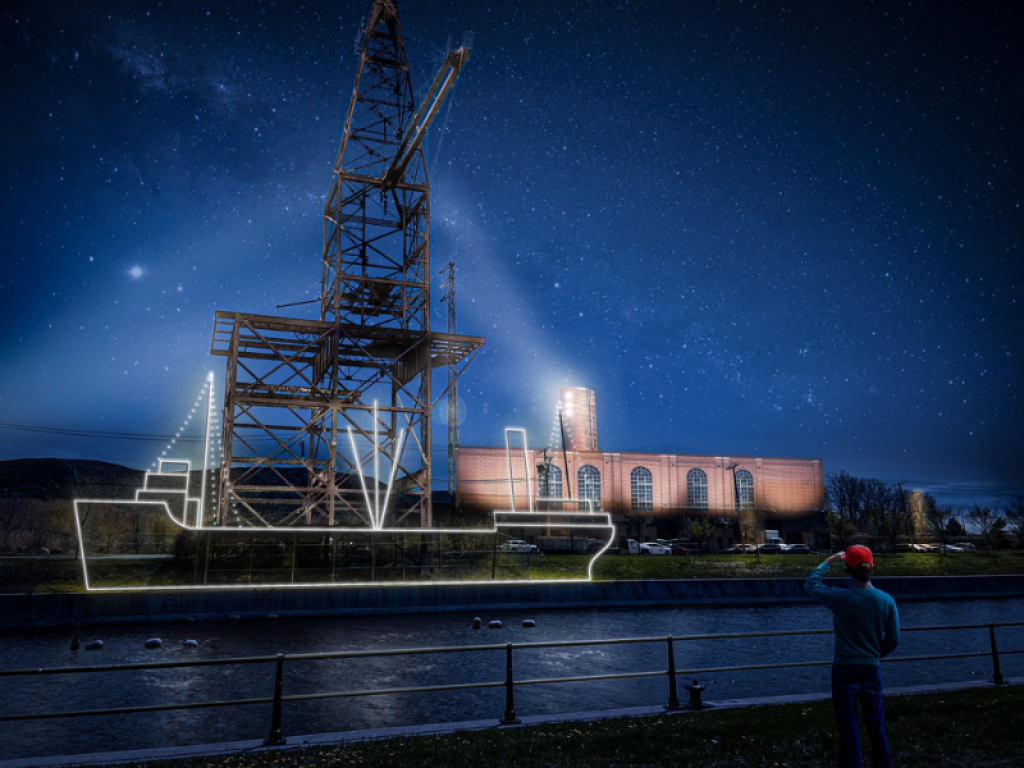
Illustrative image by DKI Refexio
The LaSalle-Coke Crane and its history reveal themselves to walkers, cyclists and boaters, by day and by night. The installation will remain in place for the next five years.